


RA-PURE nexus
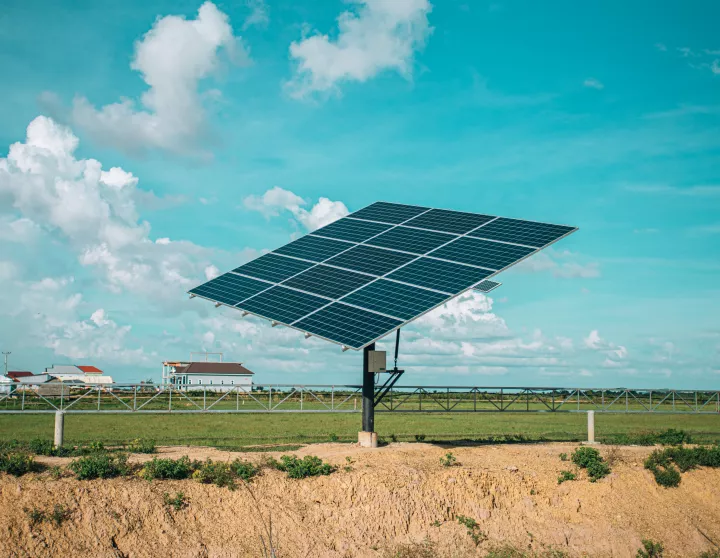
An integrated approach aligning food and energy systems for lasting change
The Power for Food Partnership takes as its starting point that regenerative agriculture (RA) and the productive use of renewable energy (PURE) are structurally interdependent and part of one larger system. Progress in one does not just complement the other: it actively drives options and outcomes in the other.
This is what we mean by the nexus. It is not simply a cross-sector collaboration or a coordination exercise. It is a recognition that how food and energy systems develop, together or in isolation, shapes the opportunities available to farmers, agribusinesses, and people across East Africa.
How do we define RA?
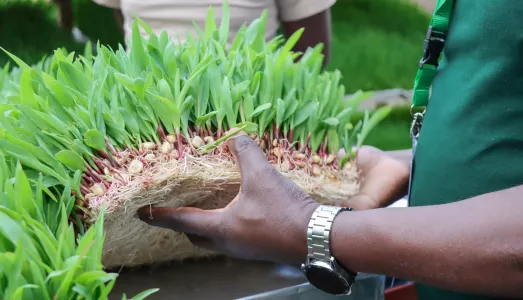
Regenerative agriculture (RA) includes farm and land management practices, principles, and processes that restore and rebuild the health, resilience, and biodiversity of ecosystems. As a farming approach, it emphasises soil health improvement as the foundation of sustainable food systems, along with biodiversity enhancement, water management, minimal disturbance, integrated livestock management, crop diversity, carbon sequestration, circularity, optimal use of resources and inputs, and renewable energy.
The ultimate goal is to improve environmental, social, and economic outcomes for farmers, communities, and food systems where these practices are applied.
Examples of farm-level practices:
• Reduced tillage
• Cover crops
• Intercropping
• Mulching
• Green manures
• Agroforestry
• Crop rotations
• Crop diversification
• Crop-livestock interactions
• Integrated pest management
• Integrated soil fertility management
• Improved and quality seeds
• Biodigesters
• Sustainable water management practices
• Fallow
How do we define PURE?
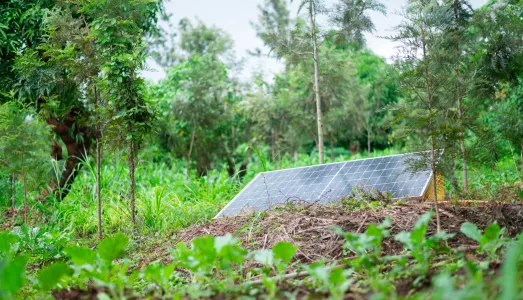
Productive use of renewable energy (PURE) is defined as activities that utilise energy, both electric and non-electric energy such as heat or mechanical energy, to enable productivity, income generation, and improved livelihood conditions. Put simply, PURE is the use of energy for income-generating activities.
While PURE applications can be deployed to enhance productivity in any sector, the Power for Food Partnership focuses on the agricultural sector. Throughout our work, when we refer to PURE, we mean agri-PURE: renewable energy solutions applied specifically in agricultural contexts.
Examples of agri-PURE solutions:
• Solar-powered water pump
• Solar-powered refrigeration units
• Solar-powered cold rooms
• Solar-powered dryers
• Biogas for heating and lighting
Why does the nexus matter?
When regenerative agriculture and renewable energy are treated as separate systems, important connections are missed, and well-intentioned interventions can cause unintended harm. For example, an energy programme focused solely on technology, without considering soil type, water resources, or agronomic practices, can lead to overextraction of groundwater or the degradation of fertile land. Large solar panel arrays covering agricultural land are among the unintended consequences that a siloed approach can produce.
The urgency of an integrated approach is reinforced by broader economic trends. Smallholder farmers across sub-Saharan Africa are increasingly exposed to the volatility of global fuel and fertiliser markets, with costs rising sharply in recent years due to supply chain disruptions and geopolitical tensions. As fossil fuel-dependent inputs become less affordable and less reliable, the case for transitioning to regenerative practices and locally produced renewable energy grows stronger. The RA-PURE nexus offers a pathway that reduces this exposure while building long-term resilience.
To contribute to true sustainability in irrigation programmes powered by renewable energy, it is essential to integrate considerations of soil, land types, climate, water resources, and crop management. These interconnected factors must inform solar irrigation strategies and ownership models that are adapted to local realities, ensuring responsible and effective food production.
The RA-PURE nexus approach asks different questions:
- How do developments in the energy sector shape what is possible for farmers?
- How do changes in agricultural practice create new demand for clean energy solutions?
- And how can both be designed together to support sustainable, locally appropriate food production?
Creating momentum through mutual reinforcement
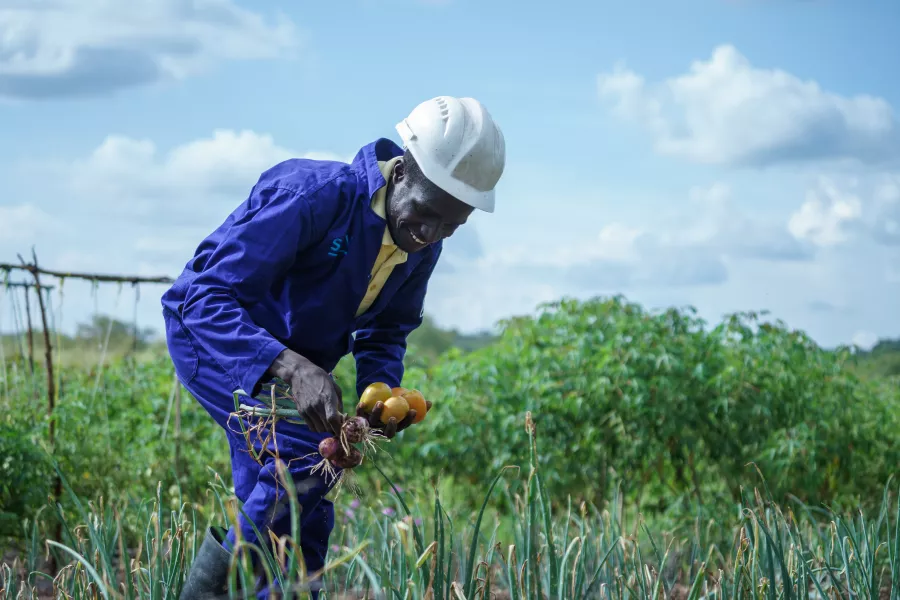
The Power for Food Partnership is built on the belief that regenerative agriculture and productive use of renewable energy are equally important and mutually reinforcing, with no hierarchy between them.
As interest in regenerative agriculture grows across the agri-food sector, demand for renewable energy solutions as a critical input increases. By promoting both approaches and investing in the conditions that connect them, we help set in motion a cycle of uptake that spreads across East Africa.
Ready to learn more?
Explore how the Power for Food Partnership is putting the nexus approach into practice across Uganda, Rwanda, Kenya, and Ethiopia.